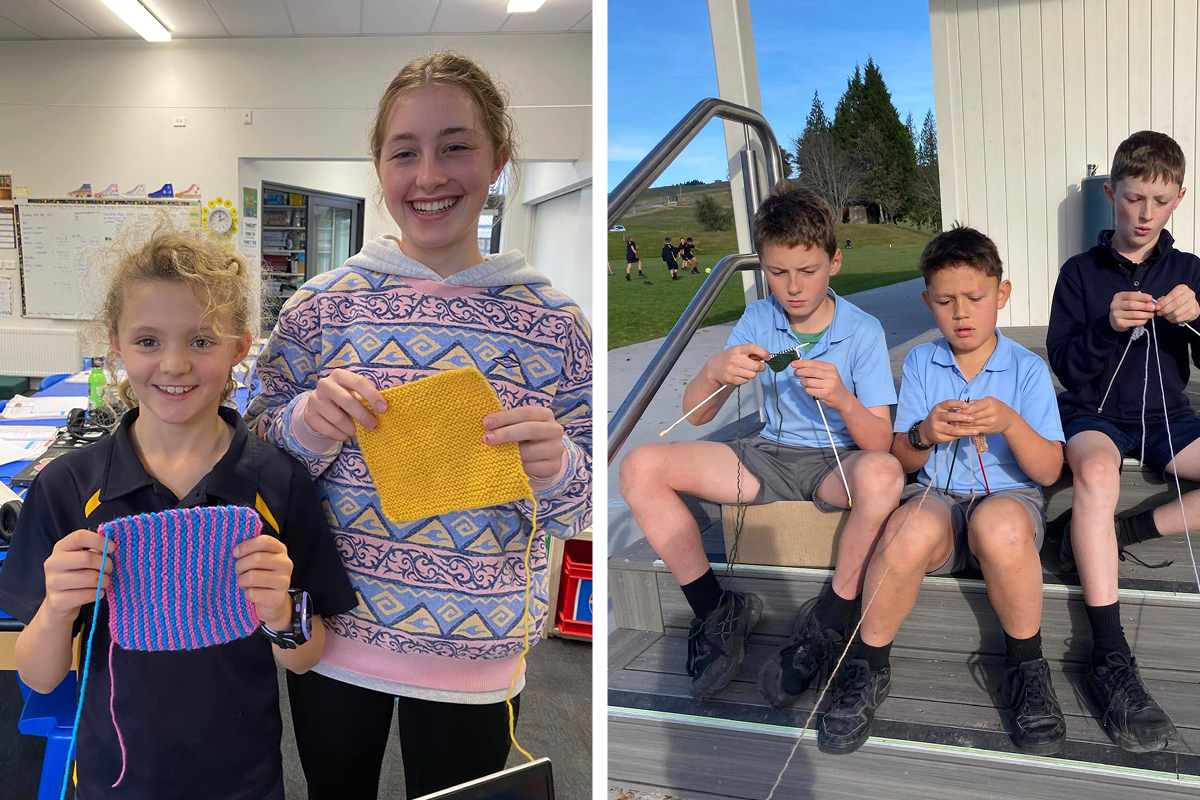
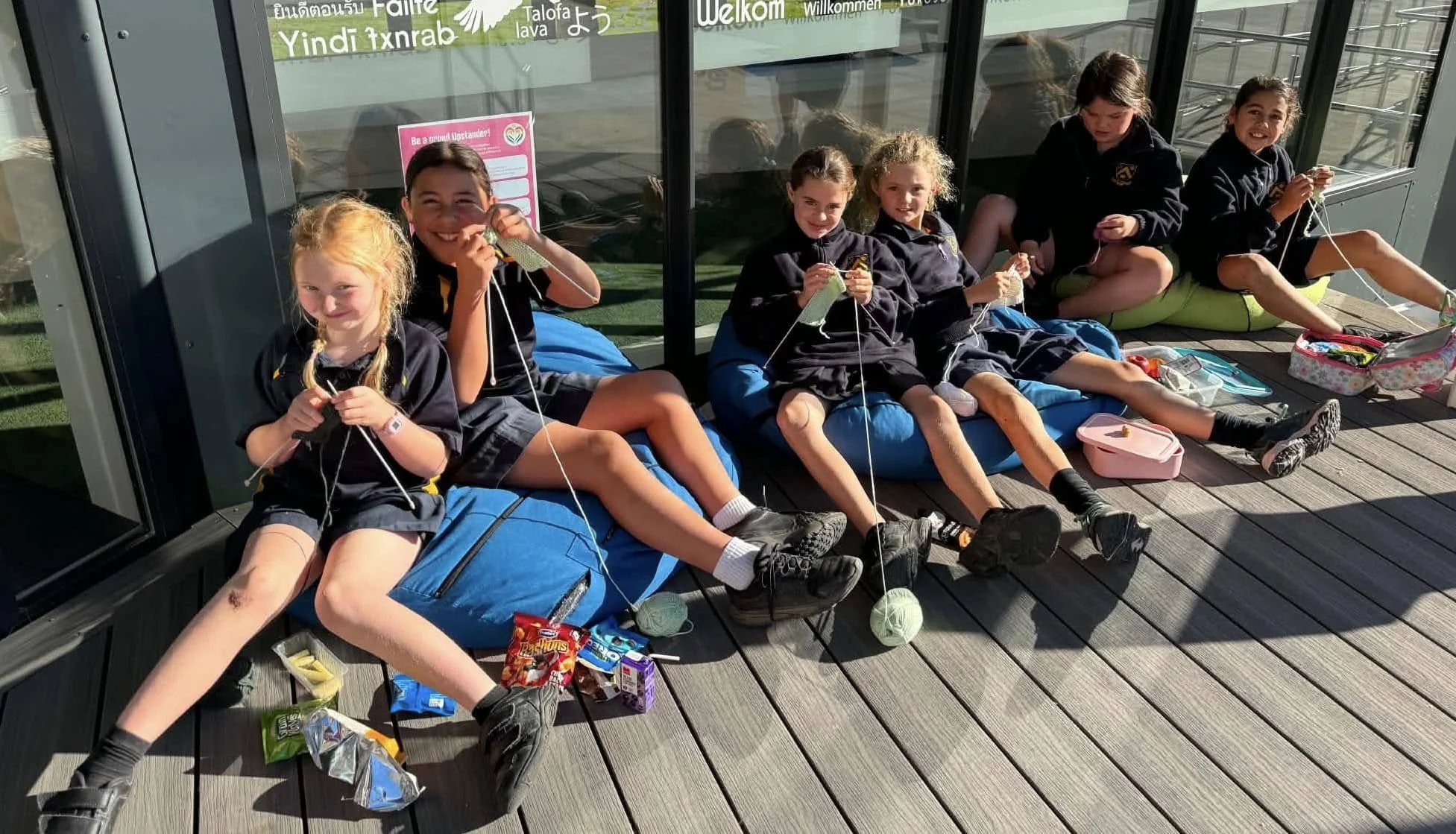
We love sharing stories from our community. Clare Blackmore is a Year 5–6 teacher at Lawrence Area School. In just four short weeks, the school's enthusiastic young knitters have been learning the basics of knitting during their lunch breaks. With determination, patience, and plenty of practice, they have worked together to create beautiful woollen blankets for PKC!
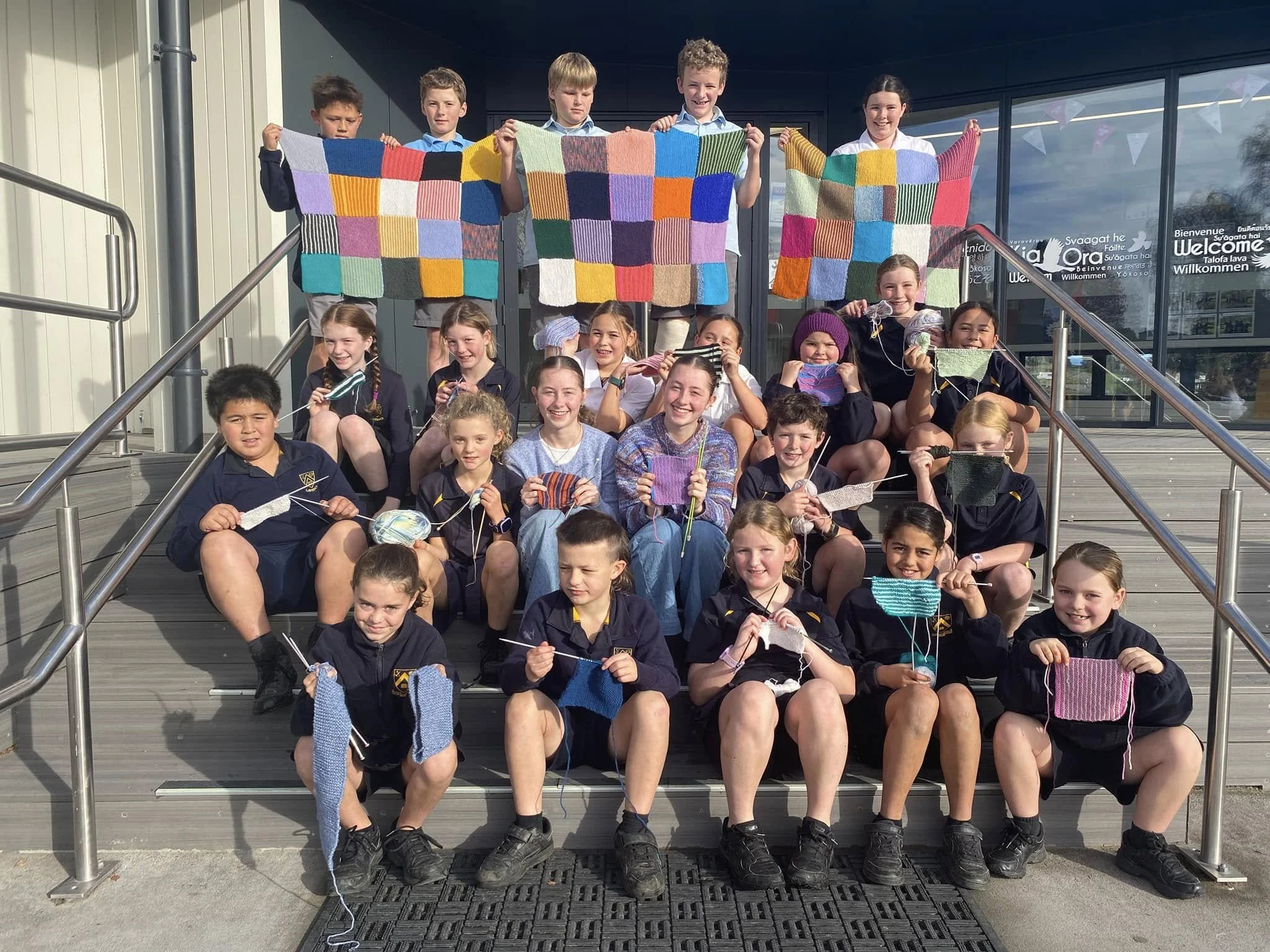
Clare Blackmore is a Year 5-6 teacher at Lawrence Area School with students from year 0-13. The school is located in Lawrence, Otago with a population of 450 (district of 1200 people).
In just four short weeks, the school's enthusiastic young knitters have been learning the basics of knitting during their lunch breaks. With determination, patience, and plenty of practice, they have worked together to create beautiful woollen blankets for PKC!
Clare says the learning has extended into the classroom, for maths two boys calculated the amount of stitches in six peggy squares and proudly told our assembly audience that each square averaged 1860 stitches.
Clare and her school have embraced Stitching Together Aotearoa, giving out 20 Preemie kindness certificates at assembly to all the pupils who had made a peggy square, one 9 year old made 10 squares!
Thank you Lawrence Area School, and all the schools across the country knitting for PKC!
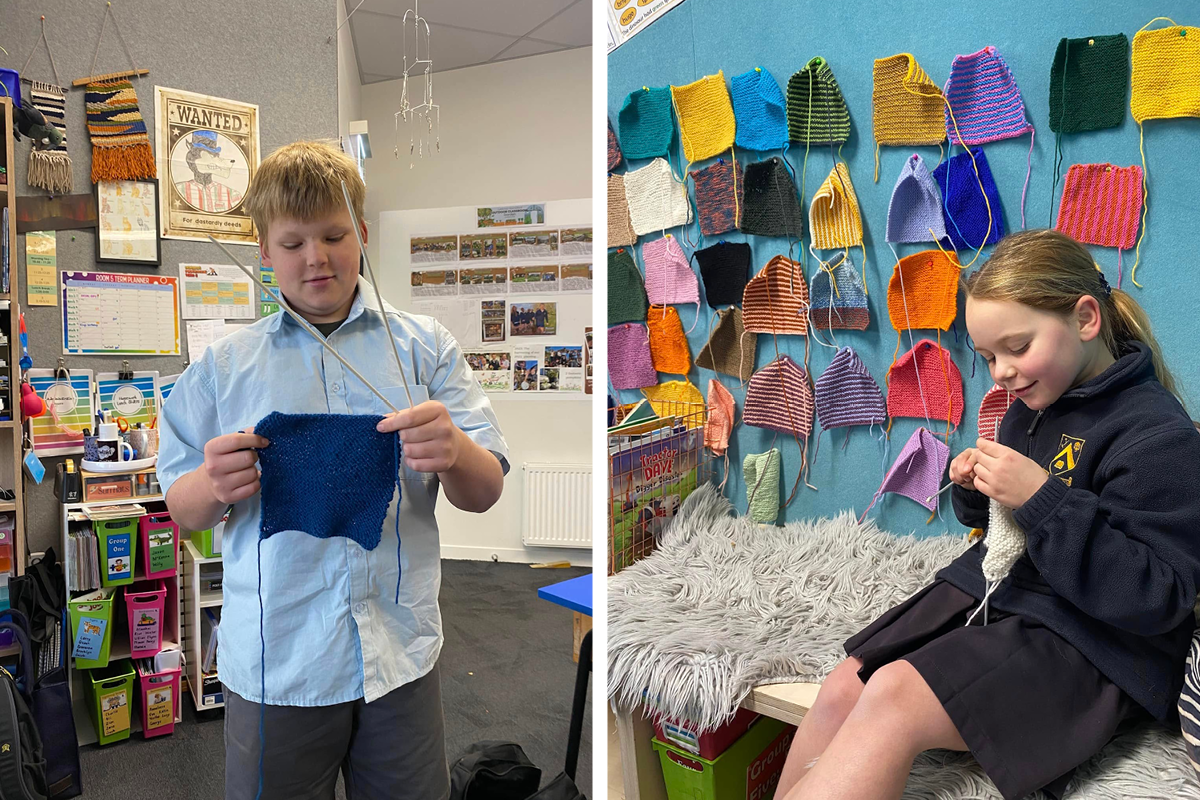
What inspired Lawrence Area School to take part in Stitching Together Aotearoa?
Clare Blackmore: I have always enjoyed bringing creativity into the classroom through art and hands-on activities. As our school is at the heart of rural New Zealand and many of our pupils are from sheep farms, it is also important to share with our children the value and benefits of wool. This project was a wonderful opportunity to combine creativity, traditional skills, and community service while highlighting a product that is such an important part of our local environment and economy.
How have you integrated this project into your everyday learning/lessons?
CB: All of our Knit Club sessions have been held during lunch breaks, but I now often see children sneaking their knitting out during silent reading time. The project has also sparked many valuable conversations about fast fashion, sustainability, and the benefits of wool as a natural fibre that can break down when it is no longer needed. It has encouraged students to think about where materials come from and the impact they have on our environment.
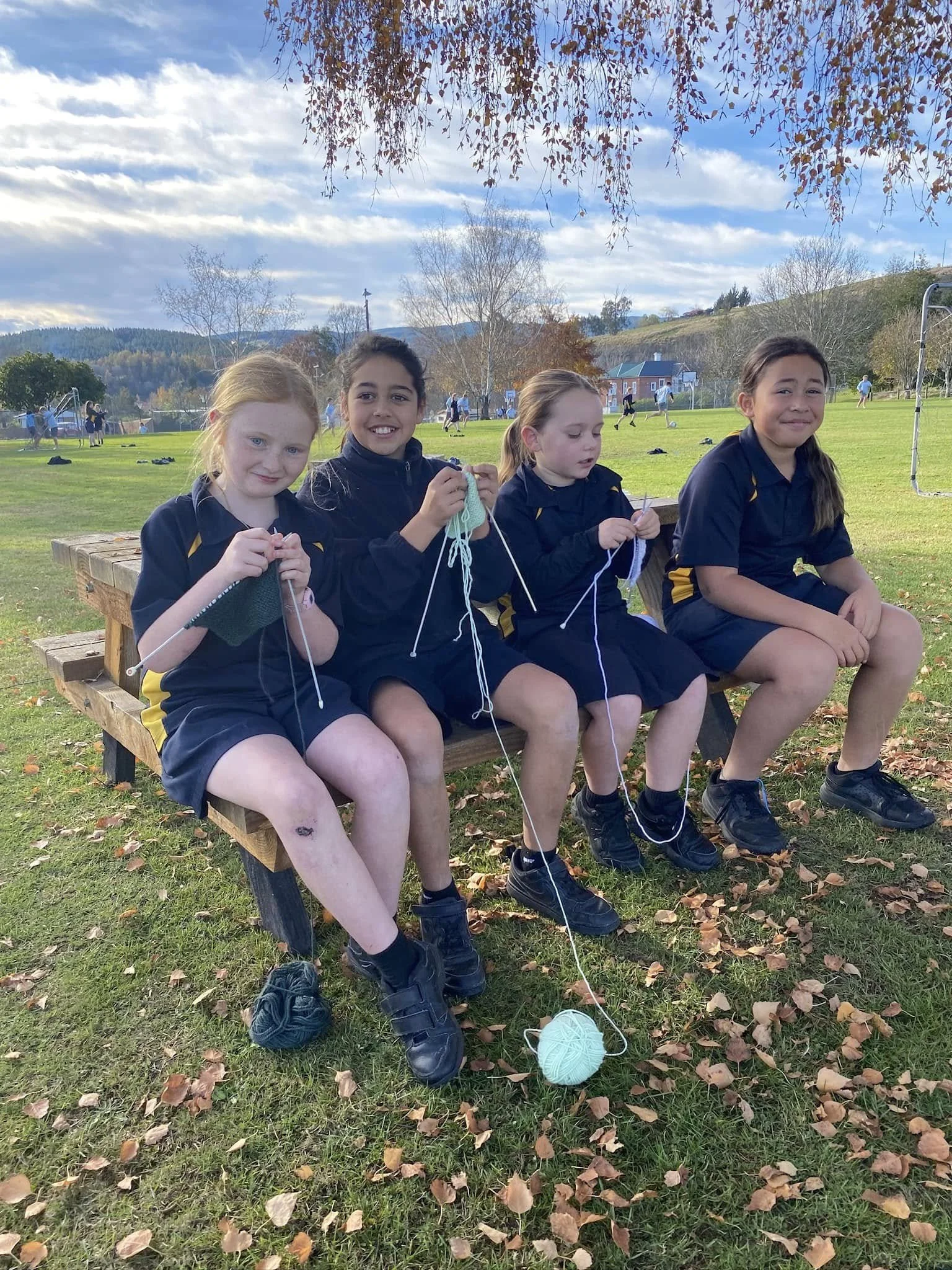
What skills or lessons have your students gained from contributing to this project?
CB: We live in a small community with a huge community spirit. Our community always punches above its weight when it comes to fundraising and supporting others, and our children regularly see their parents and grandparents volunteering and giving back. When I introduced the idea of knitting a blanket for premature babies, the children were immediately invested. They were eager to learn about the challenges these babies and their families face, and they embraced the opportunity to contribute in a meaningful way. Alongside learning a new skill, they gained a deeper understanding of empathy, perseverance, and community service.
Does anyone have a personal connection to preemies or the NICU?
CB: We have several pupils at our school who spent time in NICU as babies and faced significant challenges early in life, their experiences helped make the project feel even more meaningful and personal for our school community.
What message would you like to share with the premature babies' families who may receive the Peggy squares you have knitted?
CB: The joy we experienced while creating these blankets was immeasurable. Learning to knit is challenging, and our young knitters showed incredible determination as they developed their skills and confidence. Our knitting and tension may have varied from square to square, but when they were sewn together, the blanket became a true team effort, stitched with care, perseverance, and love. Knowing that we can help keep a precious baby warm using wool grown on the farms around us feels incredibly special.
Why do you think skills like knitting are positive for our younger generation?
CB: We often hear concerns about the amount of time young people spend on devices. Perhaps it is our role to introduce children to other activities that are creative, productive, and deeply rewarding. Knitting teaches patience, resilience, concentration, and problem-solving, while also providing a sense of achievement. It allows children to create something tangible with their own hands and experience the satisfaction that comes from learning a skill and helping others.